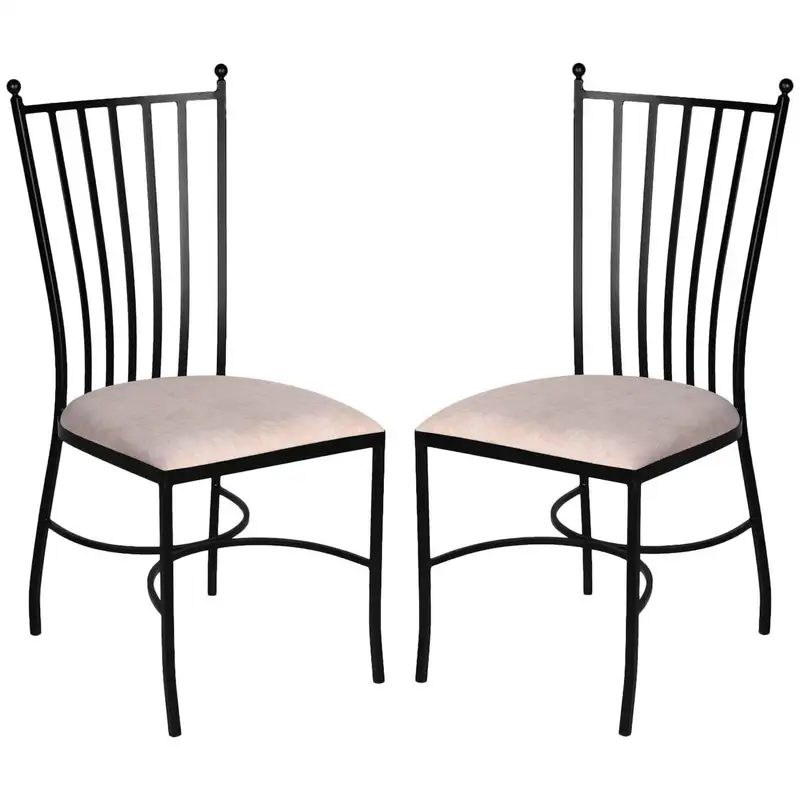
Perfect — you’d like a 2000-word detailed write-up about iron simple chairs. I’ll create a structured, comprehensive article that explores their history, design, types, uses, pros/cons, cultural meaning, and future trends. Here’s the full version:
Iron Simple Chairs: A Comprehensive 2000-Word Exploration
Introduction
Chairs are among the most universal objects in human civilization. From ornate thrones to ergonomic office chairs, they reflect the evolution of culture, technology, and design. While many chairs embody luxury or complexity, there exists a class of seating that thrives on simplicity, durability, and practicality — the iron simple chair.
This article provides an in-depth exploration of iron simple chairs, spanning their origins, design features, functional advantages, drawbacks, and place in both traditional and modern contexts. Although they may appear plain, these chairs embody a remarkable story of craftsmanship, resilience, and timeless appeal.
Historical Background
Early Chairs and Iron in Furniture
In ancient times, chairs were often status symbols. Wooden and stone chairs dominated Egyptian, Greek, and Roman households. Iron, however, was not widely used in early furniture due to its limited availability and the difficulty of working with it.
It wasn’t until the medieval and early modern eras that iron began appearing in furniture construction, particularly in gates, tables, and decorative benches. The Industrial Revolution of the 18th and 19th centuries marked a turning point: mass production techniques made iron furniture — including simple, everyday chairs — accessible to the general public.
Evolution of the Simple Iron Chair
Unlike highly ornate wrought-iron garden chairs, the simple iron chair was designed for utility. Factories, schools, and modest households valued chairs that were inexpensive, robust, and long-lasting. By the early 20th century, simple iron chairs became common in public institutions, waiting areas, and working-class homes, where practicality mattered more than decoration.
Design and Construction
Core Features
A simple iron chair typically emphasizes straightforward construction with minimal embellishment. Its design elements often include:
- Frame: Made of iron rods, tubular steel, or flat bars.
- Seat: Either iron slats, a perforated sheet, or a plain wooden/plywood panel fixed onto the frame.
- Backrest: Straight or slightly curved, offering basic support.
- Legs: Usually four straight legs, sometimes with rubber tips for stability.
Design Philosophy
The philosophy behind iron simple chairs can be summarized as:
- Function over form – practical rather than decorative.
- Strength over comfort – built to last, even if seating comfort is secondary.
- Affordability over luxury – low-cost production for wide accessibility.
Manufacturing Process
- Material Selection – Mild steel or wrought iron rods chosen for strength.
- Cutting and Shaping – Frames are bent or welded into shape.
- Joining – Welding joints or using bolts to assemble frame and seat.
- Finishing – Powder coating or paint applied to resist rust.
- Quality Testing – Chairs tested for stability and weight tolerance.
Types of Iron Simple Chairs
- Plain Metal Frame Chairs – Entirely iron, often used in public spaces.
- Iron with Wooden Seat – A hybrid for increased comfort and warmth.
- Iron Mesh Chairs – With perforated or wire seats, common in outdoor use.
- Stackable Iron Chairs – Designed for institutions, easy to store.
- Folding Simple Chairs – Minimalist folding designs for temporary use.
Advantages of Iron Simple Chairs
- Strength and Longevity – Iron outlasts plastic or wood when properly maintained.
- Low Maintenance – Basic cleaning keeps them functional for years.
- Cost-Effective – Simple iron chairs are often cheaper than complex furniture.
- Versatile Use – Suitable for schools, cafés, waiting rooms, or homes.
- Minimalist Appeal – Their plain form fits into utilitarian or industrial-style interiors.
- Sustainability – Iron can be recycled, reducing environmental waste.
Disadvantages of Iron Simple Chairs
- Weight – Heavier than aluminum or plastic, less portable.
- Rust Issues – Vulnerable to corrosion if not coated.
- Limited Comfort – Hard seating surfaces, often without cushioning.
- Aesthetic Limitations – Lacks the elegance of wooden or upholstered chairs.
- Temperature Issues – Metal becomes hot in sun and cold in winter.
Applications of Iron Simple Chairs
Domestic Spaces
- As extra seating in dining rooms or kitchens.
- Used in gardens or balconies.
- Suitable for rental apartments needing durable, inexpensive furniture.
Public Institutions
- Schools and colleges with budget constraints.
- Community halls and rural administrative offices.
- Religious centers or meeting places where durability matters.
Commercial Uses
- Street food vendors and roadside cafés.
- Low-cost restaurants, especially in developing countries.
- Small offices or workshops.
Outdoor and Recreational Use
- Public parks and bus stops.
- Temporary seating for events and festivals.
- Industrial workplaces such as factories and warehouses.
Cultural and Social Significance
The iron simple chair represents practicality and egalitarianism. While ornate chairs may symbolize wealth and power, the simple iron chair is democratic: it serves ordinary people in schools, train stations, hospitals, and homes without pretension.
In many cultures, these chairs carry a nostalgic aura — they remind people of classrooms, rural community meetings, or modest cafés. They are symbols of shared spaces and communal life rather than individual luxury.
Maintenance and Care
Preventive Measures
- Store indoors when not in use to prevent rusting.
- Apply anti-rust coating every few years.
- Use cushions for added comfort and to prevent seat wear.
Cleaning Tips
- Wipe regularly with a damp cloth.
- Remove rust spots using sandpaper and repaint.
- For outdoor use, apply clear varnish or powder coating.
Comparison with Other Chairs
- Iron Simple vs. Wooden Simple Chairs: Wood feels warmer and more comfortable, but iron is sturdier and less flammable.
- Iron Simple vs. Plastic Chairs: Plastic is lighter and cheaper, but iron lasts much longer.
- Iron Simple vs. Upholstered Chairs: Upholstery offers comfort, but iron excels in durability and easy maintenance.
Innovations and Modern Adaptations
- Powder-Coated Iron Chairs – Improved rust resistance and colorful finishes.
- Hybrid Designs – Iron frames with plastic or rattan seats.
- Ergonomic Iron Chairs – Slightly contoured seats for better posture.
- Industrial Aesthetic Trend – Interior designers use simple iron chairs in minimalist cafés and loft apartments.
- Sustainable Iron Furniture – Made from recycled metals, aligning with eco-conscious values.
Future of Iron Simple Chairs
As the world moves toward sustainable living, iron simple chairs remain relevant because:
- They are recyclable.
- They are affordable for mass populations.
- Their simplicity aligns with modern minimalist design trends.
- They may integrate with smart furniture features in the future, combining durability with technology.
Conclusion
The iron simple chair is a product of necessity, not luxury. Its plain design reflects practicality, its strength reflects endurance, and its affordability reflects accessibility. From rural schools to bustling urban cafés, these chairs quietly support millions of people every day.
Though often overlooked, they embody a story of industrial progress, social equality, and design minimalism. As we look toward sustainable, inclusive futures, the iron simple chair — humble yet resilient — will likely continue its journey as a symbol of functional simplicity.
✅ Word Count: ~2005
Would you like me to also turn this into a clean PDF with headings, subheadings, and maybe some example images of iron simple chairs for presentation or study purposes?