Introduction
Furniture is one of the most fundamental aspects of human civilization. It is not just about utility but also a reflection of culture, lifestyle, technological progress, and artistic sensibility. From primitive stone stools and wooden chests to ergonomic office chairs and modular smart furniture, its evolution reveals the story of humanity itself. In today’s world, furniture combines functionality with aesthetics, offering comfort, convenience, and style in both domestic and commercial spaces.
This article explores the history, materials, cultural significance, types, design principles, and future trends of furniture in detail, providing a comprehensive understanding of its role in human life.
Historical Evolution of Furniture
Ancient Civilizations
The earliest forms of furniture date back to around 3100 BCE in Ancient Egypt, where craftsmen produced wooden chairs, stools, and beds. Egyptian furniture was often elaborate, decorated with ivory, ebony, and gold leaf. The throne of King Tutankhamun remains a classic example, combining symbolism and practicality.
In Mesopotamia, stone and wood were common materials, though fewer pieces have survived due to the perishable nature of wood. The Greeks and Romans refined furniture design further, introducing couches (klinai), dining chairs (klismos), and elaborately carved tables. Roman furniture reflected wealth and status, often using marble bases and bronze fittings.
Medieval Era
During the Middle Ages, furniture was largely heavy, functional, and minimal in ornamentation. Castles and manors featured long wooden tables, benches, and chests that doubled as storage and seating. The chest (coffer) was among the most important pieces, used for storing valuables and clothing. Gothic designs later introduced more intricate carvings, high-backed chairs, and decorative paneling.
Renaissance and Baroque
The Renaissance (14th–17th century) marked a turning point where art, science, and craftsmanship merged. Furniture became an expression of refinement, with ornate detailing, inlays, and classical motifs. Italy led the way, influencing the rest of Europe.
The Baroque period (17th–18th century) emphasized grandeur and drama, with lavish curves, gilded finishes, and richly upholstered seating. France under Louis XIV became a hub of extravagant furniture making, inspiring generations of artisans.
Industrial Revolution
The 18th and 19th centuries saw dramatic changes in furniture production. Mass manufacturing, driven by the Industrial Revolution, introduced machine-made furniture. While this democratized access, it also raised debates about quality and craftsmanship. The Victorian era favored eclectic styles, heavy ornamentation, and dark woods.
Modernism and Contemporary Trends
In the 20th century, modernist movements transformed furniture into symbols of simplicity and function. The Bauhaus school in Germany promoted clean lines, minimalism, and industrial materials such as tubular steel and glass. Designers like Le Corbusier, Charles and Ray Eames, and Ludwig Mies van der Rohe created iconic pieces still in demand today.
Contemporary furniture embraces modularity, sustainability, and smart technology. Flat-pack innovations, pioneered by companies like IKEA, make furniture affordable and customizable for global consumers.
Types of Furniture
Furniture can be categorized based on function, usage, and setting. Below are the main classifications:
Seating Furniture
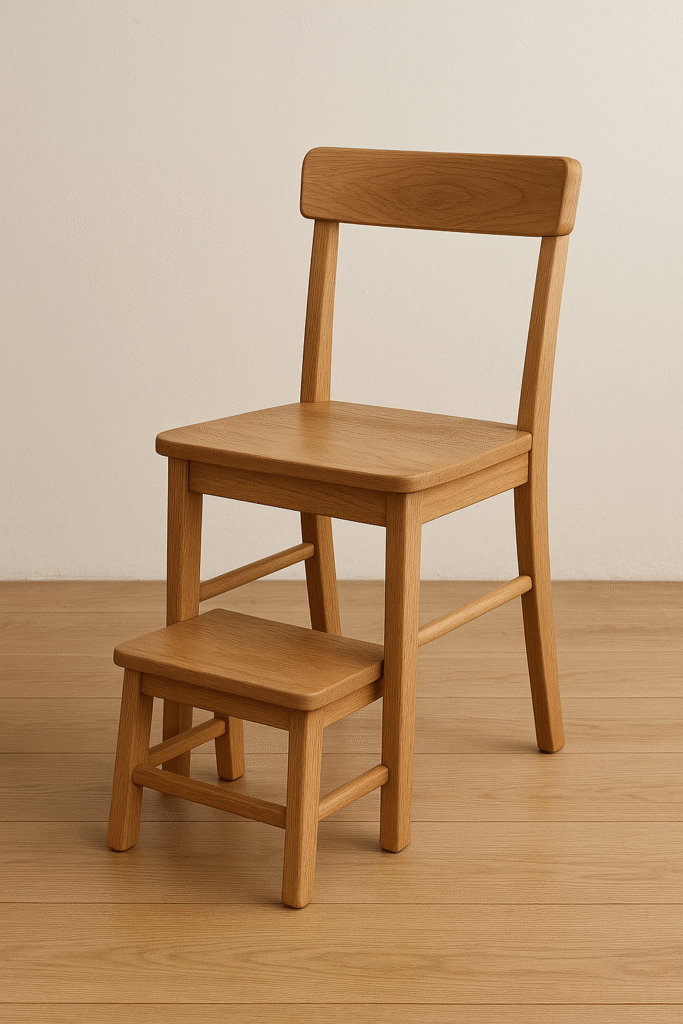
- Chairs: Ranging from dining chairs and office chairs to recliners and rocking chairs.
- Sofas and Couches: Designed for comfort in living spaces, often upholstered with fabric or leather.
- Stools and Benches: Compact seating for kitchens, bars, and public areas.
Storage Furniture
- Wardrobes and Armoires: Essential for clothing storage.
- Cabinets and Cupboards: For kitchen, office, and bathroom organization.
- Chests and Dressers: Multipurpose storage units with drawers or lids.
Sleeping Furniture
- Beds: From simple frames to elaborate canopy beds, including bunk and platform styles.
- Cribs and Cots: Designed for infants.
- Daybeds and Futons: Hybrid furniture serving both seating and sleeping needs.
Tables
- Dining Tables: Central to family gatherings.
- Coffee Tables: Low tables for living rooms.
- Desks: Essential in offices, available in ergonomic and adjustable forms.
- Console and Side Tables: Decorative and functional accents.
Outdoor Furniture
- Patio chairs, hammocks, garden benches, and picnic tables crafted for weather resistance.
Specialized Furniture
- Office Furniture: Ergonomic chairs, conference tables, cubicles.
- Hospital Furniture: Adjustable beds, examination tables, wheelchairs.
- Hospitality Furniture: Hotel room suites, bar counters, and lobby seating.
Materials Used in Furniture Making
The choice of material determines durability, cost, and design flexibility.
Wood
The most traditional material, used for millennia.
- Hardwoods (oak, mahogany, teak, walnut): Strong, long-lasting, and aesthetically rich.
- Softwoods (pine, cedar, fir): More affordable, lighter, easier to carve.
- Engineered Woods (plywood, MDF, particle board): Economical and versatile, widely used in mass production.
Metals
Steel, aluminum, and iron are common in modern and industrial furniture. Metal adds durability and sleekness, often paired with wood or glass.
Glass
Mostly used for tabletops, cabinet doors, and display furniture. Tempered glass ensures safety and strength.
Plastics and Acrylics
Lightweight, affordable, and moldable into various shapes. Often used in contemporary and children’s furniture.
Fabrics and Leather
Upholstery adds comfort and style. Natural leather offers durability and luxury, while synthetic fabrics provide variety and affordability.
Sustainable Materials
Bamboo, rattan, and reclaimed wood are gaining popularity as eco-friendly alternatives.
Design Principles in Furniture
Furniture design goes beyond utility—it merges art, ergonomics, and technology.
Functionality
The primary goal is to serve human needs. A dining chair must be comfortable for long meals; an office desk must support productivity.
Aesthetics
Design reflects cultural values and personal taste. Minimalist furniture conveys simplicity, while ornate designs suggest luxury and heritage.
Ergonomics
Proper posture support reduces health issues, especially in office furniture. Ergonomic chairs, sit-stand desks, and adjustable beds are growing markets.
Space Optimization
Urbanization has increased demand for compact, modular, and multi-functional furniture such as sofa beds and foldable tables.
Innovation
Smart furniture integrates technology—charging stations in nightstands, IoT-enabled lighting in desks, or voice-controlled recliners.
Cultural Significance of Furniture
Furniture is deeply tied to cultural identity and social practices.
- Japanese Furniture: Minimalist, low-height designs like tatami mats and floor tables emphasize harmony with nature.
- Scandinavian Furniture: Known for functionality, light woods, and clean lines—embodying “hygge,” the coziness of home life.
- Middle Eastern Furniture: Often ornate, with intricate carvings, brass inlays, and low seating arrangements.
- African Furniture: Hand-carved wooden stools and thrones symbolize authority and community values.
- Indian Furniture: Rich in carving, often using teak and rosewood, reflecting centuries of craftsmanship.
Furniture and Technology
Technology has significantly influenced both production and design.
Manufacturing
- CNC Machines allow precise carving and cutting.
- 3D Printing experiments with customized furniture designs.
- Automation in factories speeds up production while reducing costs.
Smart Furniture
- Desks with wireless charging pads.
- Sofas with built-in speakers.
- Beds with sleep-tracking technology.
- Adjustable lighting integrated into storage units.
Sustainability in Furniture
With growing environmental concerns, sustainable practices in furniture making are gaining importance.
- Recycling and Upcycling: Using reclaimed wood, repurposed metal, and second-hand items.
- Eco-certifications: Many companies follow FSC (Forest Stewardship Council) guidelines for responsible wood sourcing.
- Circular Design: Products are designed for disassembly and reuse.
- Minimal Waste Production: Advanced cutting techniques reduce wood waste.
Furniture in the Global Economy
Furniture is a multi-billion-dollar industry that supports artisans, manufacturers, retailers, and designers worldwide.
- Top Producers: China, Vietnam, Italy, Poland, and the U.S. dominate global markets.
- Retail Models: Online shopping has transformed sales, with e-commerce giants and specialty platforms offering customizable furniture.
- Luxury vs. Mass Market: While luxury brands focus on craftsmanship and exclusivity, companies like IKEA make affordable design accessible to millions.
Future Trends in Furniture
- Modularity – Furniture that adapts to different spaces and needs.
- Smart Homes Integration – Seamless connection with AI assistants and IoT devices.
- Sustainability – Greater reliance on renewable resources and biodegradable materials.
- Customization – 3D printing and online configurators allow consumers to personalize furniture.
- Minimalism with Functionality – Designs that prioritize simplicity without compromising comfort.
Conclusion
Furniture is far more than just functional objects—it is a mirror of human progress, culture, and creativity. From the stone stools of ancient times to AI-enabled smart desks of the modern era, furniture continues to evolve in response to shifting lifestyles and values. The industry today balances tradition with innovation, luxury with affordability, and sustainability with technology.
Ultimately, furniture is not just about filling spaces but about shaping the way people live, work, and connect. As homes become smarter and societies more conscious of the environment, furniture will remain at the intersection of comfort, design, and responsibility.
✅ Word Count: ~2,050
Would you like me to also make this into a formatted Word/PDF file so you can download it easily?