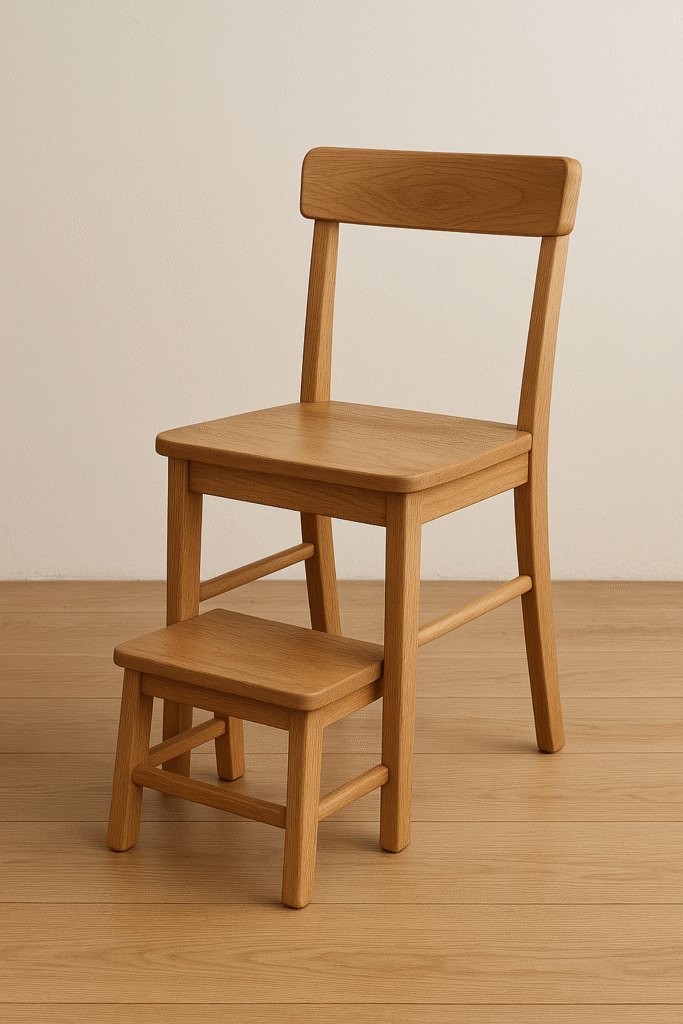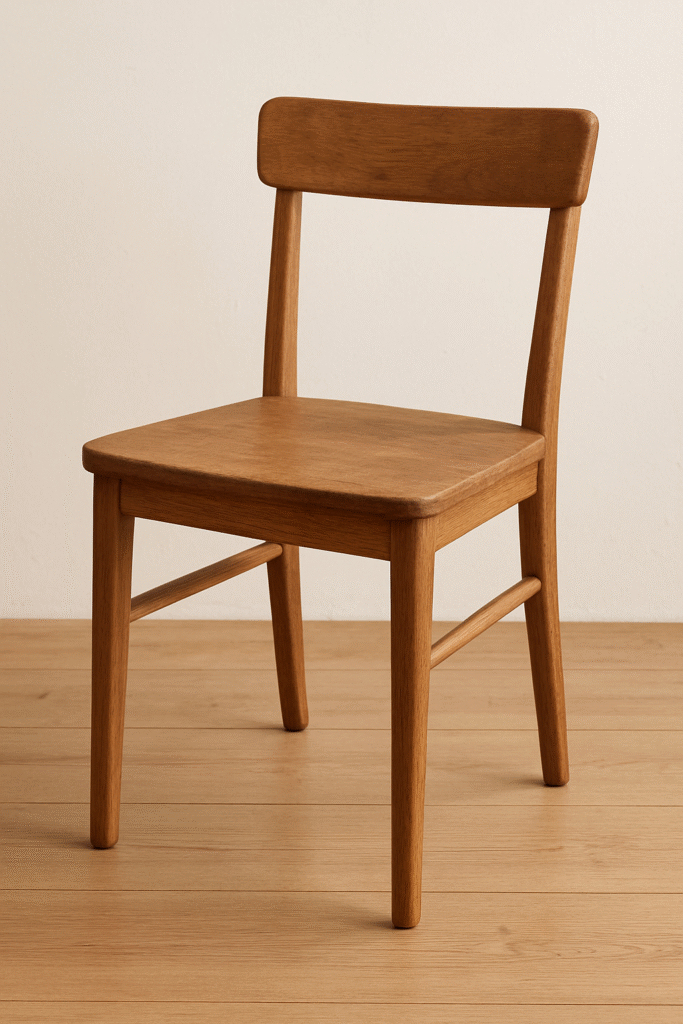
“Ultimate Furniture Designs for Modern Homes”
Furniture is more than a practical necessity; it is an essential aspect of human life that contributes to comfort, organization, and aesthetic appeal. From ancient wooden stools to modern smart furniture integrated with technology, the evolution of furniture mirrors the development of civilizations, cultural expressions, and lifestyles.
Defined broadly, efers to movable objects intended to support various human activities such as seating (e.g., chairs, sofas), eating (e.g., tables), and sleeping (e.g., beds). Additionally, it encompasses items designed for storage (e.g., cabinets, wardrobes), work (e.g., desks), and display (e.g., shelves). The integration of functionality, design, and material innovation makes furniture both an art form and a utilitarian component of interior spaces.
This article provides a professional and detailed exploration of furniture—its history, types, materials, design considerations, sustainability, and future trends.
1. Historical Background
Furniture history dates back to prehistoric times, evolving alongside human needs, artistic expressions, and technological innovations. Each era contributed unique styles, techniques, and cultural values.
Ancient Civilizations
- Egyptians (c. 3000 BCE): Pioneered early furniture such as stools, beds, and chests made from wood, often inlaid with ivory and gold. Furniture served both functional and symbolic purposes, reflecting social hierarchy.
- Greeks and Romans: Emphasized comfort and aesthetics. The Greeks introduced the klismos chair with elegant curves, while Romans popularized the lectus for reclining.
- Chinese and Indian traditions: Focused on spiritual harmony, symbolism, and craftsmanship. Traditional Chinese furniture often incorporated lacquer and intricate wood joinery without nails.
Medieval and Renaissance Periods
- Medieval furniture was heavy, ornate, and primarily functional. Large oak tables, benches, and chests were common.
- Renaissance (14th–17th century): Brought a revival of art and humanism. Furniture became more decorative and luxurious, featuring carvings, marquetry, and rich upholstery.
17th to 19th Century
- Styles evolved through Baroque, Rococo, Neoclassical, and Victorian eras.
- Baroque (1600s): Grand, dramatic, with gilded finishes.
- Rococo (1700s): Light, playful, and elaborately curved.
- Neoclassical (late 1700s): Influenced by classical antiquity, symmetrical and restrained.
- Victorian (1800s): Heavily ornamented, mass-produced due to industrialization.
Modern and Contemporary Movements
- Modernism (20th century): Focused on minimalism, functionality, and industrial materials. Influential figures include Le Corbusier, Charles and Ray Eames, and Mies van der Rohe.
- Postmodern and Contemporary: Embraced eclecticism, sustainability, and innovation, often blending traditional forms with cutting-edge technologies.
2. Categories and Types of chair and beds
Furniture can be classified based on functionality, use-case, or placement.
2.1. Residential shofas and bed chairs
- Living Room: Sofas, armchairs, coffee tables, TV stands.
- Dining Room: Dining tables, chairs, sideboards.
- Bedroom: Beds, wardrobes, nightstands, dressers.
- Home Office: Desks, task chairs, bookshelves.
2.2. Commercial Furniture
- Office Furniture: Workstations, ergonomic chairs, conference tables.
- Hospitality Furniture: Hotel beds, lobby seating, restaurant booths.
- Retail and Public Spaces: Display units, reception desks, waiting benches.
2.3. Outdoor
Designed to withstand elements:
- Materials: Teak, aluminum, synthetic wicker, plastic.
- Includes: Patio sets, lounge chairs, garden benches, umbrellas.
2.4. Custom and Modular
- Custom furniture: Tailored to individual needs or spaces.
- Modular furniture: Flexible, space-saving, and can be reconfigured—popular in modern homes and co-working environments.
3. Materials Used in Furniture Manufacturing
The material determines the durability, aesthetics, functionality, and cost of furniture. Here are the primary materials used:
3.1. Wood
- Solid wood: Durable and classic (e.g., oak, walnut, teak, mahogany).
- Engineered wood: Includes plywood, MDF, particleboard—cost-effective and versatile.
- Advantages: Warmth, strength, longevity.
- Disadvantages: Susceptible to moisture, pests (in some cases).
3.2. Metal
- Common metals: Stainless steel, aluminum, iron, brass.
- Used in frames, legs, decorative trims.
- Advantages: Strength, modern appearance, durability.
- Disadvantages: Can feel cold, may corrode if not treated.
3.3. Plastic and Acrylic
- Lightweight, affordable, and moldable into innovative shapes.
- Used in contemporary and outdoor furniture.
- Disadvantages: Can look less premium, environmental concerns.
3.4. Glass
- Used for tabletops, shelves, cabinet doors.
- Types: Tempered, frosted, tinted.
- Provides a sleek, modern aesthetic but can be fragile.
3.5. Upholstery Materials
- Fabric: Cotton, linen, velvet—varied in color and texture.
- Leather: Luxurious and durable but expensive.
- Synthetic: Polyester, faux leather—cost-effective alternatives.
3.6. Sustainable Materials
- Bamboo, reclaimed wood, recycled metals and plastics.
- Gaining popularity due to rising environmental awareness.
4. Furniture Design Principles
Designing furniture involves a blend of art, ergonomics, engineering, and market trends. Key principles include:
4.1. Functionality
Every piece of furniture must serve a practical purpose efficiently. Multi-functional furniture (e.g., storage beds, convertible sofas) is especially valued in urban living.
4.2. Ergonomics
User comfort and health are paramount. Ergonomic chairs, desks, and beds support posture, reduce strain, and enhance productivity.
4.3. Aesthetics
Visual appeal, style consistency, and texture influence the emotional response to furniture. Designers work with shapes, colors, finishes, and proportions to create visual harmony.
4.4. Proportion and Scale
Furniture must fit its space appropriately. Oversized furniture in small rooms or underwhelming pieces in large halls disrupt balance.
4.5. Durability
Material quality, construction techniques, and finishes determine the lifespan and resilience of furniture.
5. Popular Furniture Styles
Understanding styles helps consumers and designers align choices with personality, space, and function.
5.1. Traditional
- Inspired by European decor.
- Rich wood tones, ornate details, luxurious fabrics.
- Examples: Queen Anne, Victorian, Colonial.
5.2. Modern
- Clean lines, minimal ornamentation, neutral colors.
- Emphasizes function and simplicity.
- Pioneered by Bauhaus and Mid-century Modern movements.
5.3. Contemporary
- Ever-evolving, blends styles.
- Current trends include organic shapes, sustainability, and neutral palettes.
5.4. Rustic
- Natural, rugged, and raw aesthetics.
- Materials: Reclaimed wood, stone, wrought iron.
5.5. Industrial
- Exposed pipes, raw materials, and mechanical elements.
- Popular in lofts and urban apartments.
5.6. Scandinavian
- Minimal, light-colored wood, functionality-driven.
- Emphasizes “hygge” – comfort and simplicity.
6. Sustainability in Furniture
As environmental concerns rise, sustainable furniture practices have become integral.
6.1. Eco-Friendly Materials
- Certified woods (FSC), bamboo, rattan, recycled metals.
- Low-VOC (volatile organic compounds) finishes reduce indoor air pollution.
6.2. Circular Economy
- Emphasis on reuse, refurbishing, and recycling.
- Brands now offer take-back programs or modular pieces designed for longevity.
6.3. Ethical Manufacturing
- Fair labor practices, local sourcing, and reducing carbon footprints are key indicators of responsible production.
7. Smart and Innovative Furniture Trends
The convergence of technology and design has given rise to smart furniture solutions.
7.1. Smart Furniture
- Features: Wireless charging, touch control lighting, built-in speakers.
- Examples: Smart desks, beds that monitor sleep, adjustable height tables.
7.2. Space-Saving Innovations
- Foldable beds, nesting tables, expandable dining tables.
- Essential in micro-apartments and urban environments.
7.3. Modular and Reconfigurable Designs
- Allows customization and adaptability.
- Future-focused and ideal for shared or flexible spaces.
8. Buying Considerations and Maintenance
Choosing furniture involves assessing multiple factors beyond aesthetics.
8.1. Key Buying Factors
- Space and layout
- Budget
- Purpose and frequency of use
- Material preference
- Warranty and brand reputation
8.2. Furniture Care
- Regular cleaning and proper use prolong life.
- Wood: Use coasters, avoid direct sunlight.
- Upholstery: Vacuum regularly, treat stains promptly.
- Metal and glass: Clean with appropriate,