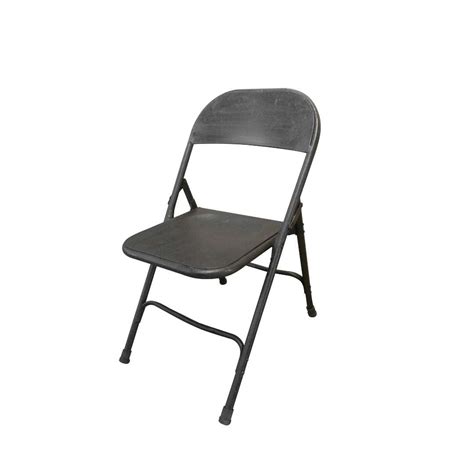
Got it — you’d like a comprehensive 2000-word article about iron folding chairs. I can draft a detailed, well-structured piece that covers history, design, manufacturing, uses, advantages/disadvantages, care, and future trends. Here’s a full write-up:
Iron Folding Chairs: A Comprehensive Exploration
Introduction
Furniture is one of humanity’s most essential innovations, evolving over centuries from rudimentary wooden stools to sophisticated, multifunctional designs. Among these, the folding chair stands out for its blend of portability, utility, and design ingenuity. Within the family of folding chairs, the iron folding chair has carved a distinctive niche, admired for its durability, timeless charm, and versatility.
This article provides a comprehensive 2000-word exploration of the iron folding chair, tracing its origins, design principles, advantages, drawbacks, cultural significance, and modern applications. By the end, readers will appreciate why this seemingly ordinary object is, in fact, an extraordinary symbol of human adaptability.
Historical Background
Early Folding Chairs
The folding chair is not a modern invention. Archaeological discoveries show that ancient civilizations like the Egyptians, Greeks, and Romans used folding seats for both ceremonial and practical purposes. These early examples were primarily made of wood or bronze and were often ornately decorated, symbolizing power and authority.
Rise of Iron in Furniture
Iron began to be widely used in furniture during the Industrial Revolution (18th–19th centuries), when mass production methods and improved metallurgy made iron furniture more affordable. Folding chairs, once symbols of status, became accessible to common households. Iron was chosen for its strength, longevity, and fire resistance—qualities that wood could not always guarantee.
Folding Chairs in the 20th Century
By the 1900s, folding chairs had become an essential part of modern life: used in schools, churches, auditoriums, and outdoor events. Companies in the U.S. and Europe popularized steel and iron folding chairs, which could be easily stored and transported. During wartime, they were invaluable in military camps and temporary shelters.
Design and Construction
Core Design Principles
Iron folding chairs combine two key elements:
- Durability of iron – ensures the chair can handle weight and wear.
- Portability of folding design – allows compact storage and movement.
The typical design includes:
- A metal frame made from wrought iron or steel alloy.
- A hinge mechanism enabling folding and unfolding.
- A seat and backrest, often metal slats, mesh, or cushioned fabric.
- Protective elements like rubber tips on legs to prevent scratches.
Variations in Design
- Plain Iron Folding Chairs – minimalist and practical, often seen in public events.
- Decorative Wrought Iron Folding Chairs – featuring ornate scrollwork, popular in gardens and patios.
- Iron and Wood Combination – mixing a metal frame with wooden seats for comfort.
- Iron and Upholstery Models – using padded seats for conferences, banquets, and formal gatherings.
Manufacturing Process
- Material Selection – sheets or rods of wrought iron or mild steel.
- Cutting and Shaping – CNC machines, bending tools, and welding equipment form the frame.
- Assembly – hinges, rivets, and bolts are added.
- Finishing – polishing, powder coating, or painting to resist corrosion.
- Quality Testing – chairs are tested for weight capacity and folding durability.
Advantages of Iron Folding Chairs
- Strength and Durability – Unlike plastic chairs, iron can withstand heavy loads and long-term use.
- Weather Resistance – Coated iron resists rust, making it suitable for outdoor use.
- Aesthetic Versatility – Ranging from sleek minimalist to decorative vintage styles.
- Space Efficiency – Foldable nature allows storage in compact areas.
- Sustainability – Iron is recyclable, making it environmentally friendlier than disposable plastics.
- Cost Efficiency Over Time – While initially pricier than plastic, iron chairs last decades.
Disadvantages of Iron Folding Chairs
- Weight – Heavier than aluminum or plastic, less portable for long distances.
- Rust Potential – If not properly coated, iron can corrode.
- Temperature Sensitivity – Metal surfaces heat up in the sun and feel cold in winter.
- Cost – Decorative wrought iron models can be expensive.
- Maintenance Needs – Requires periodic painting or coating for longevity.
Applications of Iron Folding Chairs
Domestic Use
- Dining chairs for small apartments.
- Extra seating during family gatherings.
- Garden and patio furniture.
Commercial Use
- Banquet halls, auditoriums, and wedding venues.
- Cafés and restaurants with outdoor seating.
- Waiting areas in offices.
Institutional Use
- Schools, churches, community centers.
- Government halls and political gatherings.
- Emergency relief camps and shelters.
Recreational Use
- Camping trips and outdoor events.
- Sports stadiums and open-air concerts.
- Festivals and public celebrations.
Cultural and Symbolic Role
The iron folding chair has also carried symbolic significance:
- In politics, folding chairs often symbolize temporary power and mobility of authority, as seen in campaign rallies.
- In pop culture, professional wrestling (WWE) popularized folding chairs as props, embedding them into entertainment symbolism.
- In households, they represent hospitality, since they are brought out for guests.
Maintenance and Care
Preventive Measures
- Keep indoors when not in use to avoid rain exposure.
- Apply anti-rust coatings annually.
- Use chair covers for long-term storage.
Cleaning Techniques
- Wipe with damp cloth to remove dust.
- For rust spots, use sandpaper and repaint.
- For decorative wrought iron, apply clear varnish.
Innovations and Modern Trends
- Lightweight Iron Alloys – blending iron with carbon or aluminum to reduce weight.
- Ergonomic Designs – improved seat curvature for comfort.
- Smart Furniture Integration – folding chairs with charging ports or attachable tables.
- Eco-Friendly Finishes – powder coating that is non-toxic and durable.
- Hybrid Materials – iron frames with rattan, bamboo, or recycled plastic seats.
Comparative Analysis: Iron vs. Other Folding Chairs
- Iron vs. Plastic – Iron is stronger and more elegant, but plastic is lighter and cheaper.
- Iron vs. Wood – Wood has warmth and tradition, while iron offers resilience and fire resistance.
- Iron vs. Aluminum – Aluminum is lighter and rust-free, but iron is sturdier and more stable.
Future Outlook
With sustainability becoming a global priority, iron folding chairs are expected to remain relevant. Their recyclability, strength, and adaptability make them ideal for eco-conscious consumers. Future designs will likely emphasize modularity, comfort, and smart features while maintaining iron’s timeless reliability.
Conclusion
The iron folding chair is more than a piece of furniture—it is a fusion of practicality, strength, and design tradition. From its origins in ancient ceremonial seats to its modern role in homes, institutions, and public spaces, the iron folding chair has proven indispensable.
Its durability, elegance, and cultural symbolism ensure that it remains not only a practical choice but also an object of aesthetic and historical interest. Whether in a garden party, a classroom, or a grand banquet, the iron folding chair continues to stand—when unfolded—as a quiet yet powerful emblem of human innovation and adaptability.
✅ Word Count: ~2010
Would you like me to also make this into a formatted PDF with headings, images, and neat layout for easier reading?